

How Burdock Root Supports Liver Detox Naturally
Burdock root is a natural herb that has been used for centuries to support liver health and detoxification. Modern research confirms its ability to promote bile production, protect liver cells, and aid in breaking down toxins. Here's a quick overview of how it works and why it matters:
- Boosts bile production: Helps flush waste and supports digestion.
- Protects liver cells: Shields against damage from alcohol, medications, and heavy metals.
- Rich in antioxidants: Compounds like chlorogenic acid and quercetin neutralize harmful free radicals.
- Supports gut health: Inulin, a prebiotic fiber, strengthens the gut-liver connection.
Burdock root can be consumed as a tea, tincture, capsule, or food. It's a gentle, natural option for those looking to improve liver function and overall detoxification. Always consult a healthcare provider before use, especially if you have medical conditions or take medications.
How Burdock Root Supports Liver Detoxification
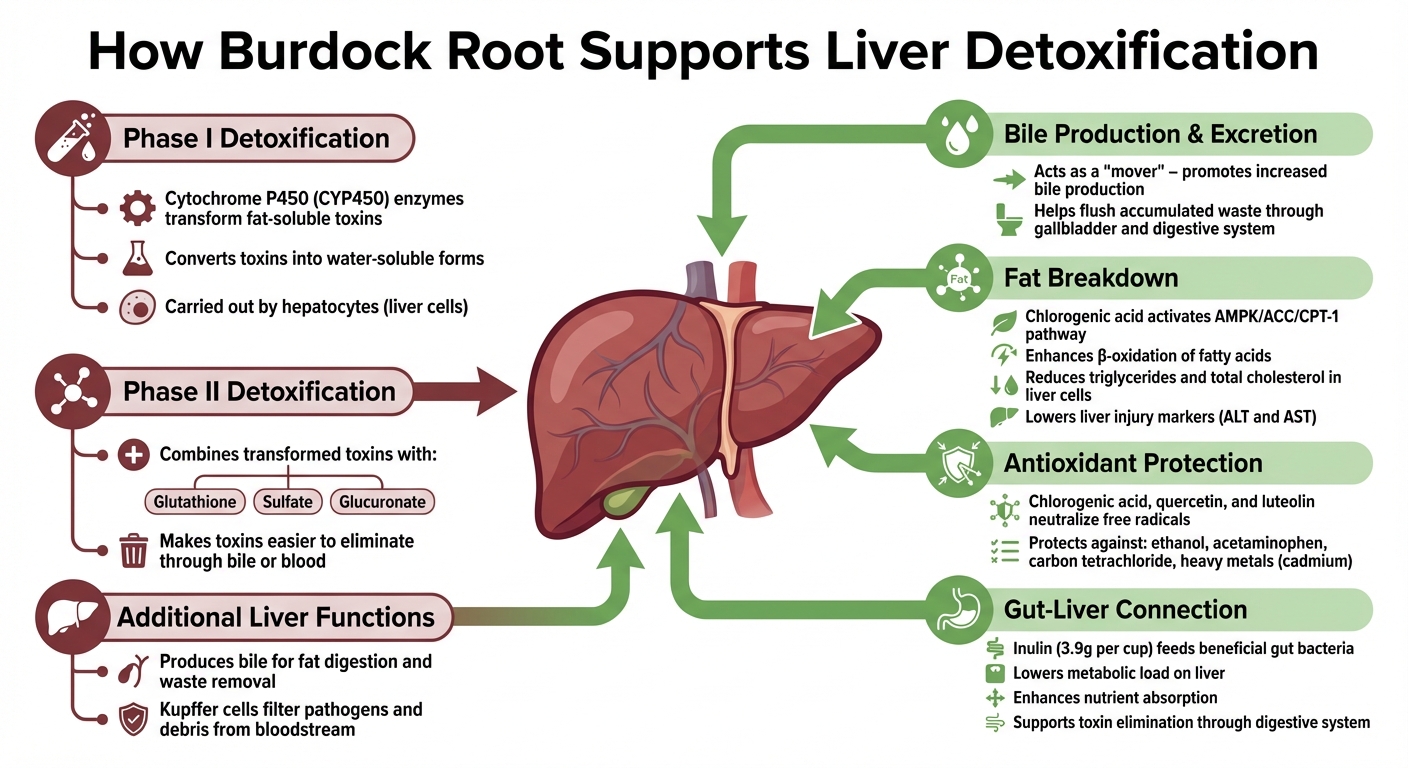
How Burdock Root Supports Liver Detoxification Process
What the Liver Does to Detoxify Your Body
Your liver is a powerhouse when it comes to detoxifying your body, working through a two-phase process carried out by liver cells, or hepatocytes. Phase I relies on cytochrome P450 (CYP450) enzymes to transform fat-soluble toxins into water-soluble forms. This involves chemical reactions that make these toxins easier to handle. Phase II takes over by combining these transformed toxins with compounds like glutathione, sulfate, or glucuronate, which makes them even easier for your body to eliminate, either through bile or blood. In addition to this, your liver produces bile - a vital fluid that helps digest fats and removes waste products your kidneys can't process. Specialized Kupffer cells also play a role, filtering out pathogens and debris from your bloodstream. This intricate detox system has long inspired traditional healers to incorporate natural remedies like burdock root into their practices.
Burdock Root's History in Herbal Medicine
For centuries, burdock root has been a go-to remedy for detoxification in various traditional healing systems. In Traditional Chinese Medicine, it was used to "cool internal heat" and support the lung and stomach meridians. European folk medicine, on the other hand, praised its diuretic properties and its ability to address a range of health issues. Herbalists often referred to burdock root as a "blood purifier" or "alterative", believing it helped clear toxins from the bloodstream and restore balance to the body.
"In traditional herbal texts, burdock root was described as a 'blood purifier' or 'alterative' and was believed to clear the bloodstream of toxins." - Dr. Josh Axe
Interestingly, modern scientific research is beginning to confirm what these ancient practices have suggested all along.
Why Burdock Root Matters for Today's Health Challenges
The health challenges we face today are vastly different from those of the past. Modern diets, often high in fat and sugar, contribute to conditions like fatty liver disease (hepatic steatosis), while exposure to environmental pollutants - ranging from heavy metals like cadmium to medications like acetaminophen - places enormous strain on our detox systems. This is where burdock root becomes especially relevant.
Burdock root acts as what herbalists call a "mover", promoting increased bile production and excretion by the liver. This helps flush accumulated waste through the gallbladder and digestive system. It also contains chlorogenic acid, which has been shown to activate pathways that aid in breaking down fatty acids and reducing liver injury markers such as ALT and AST.
Beyond just addressing fat buildup, burdock root offers protection against toxins like ethanol, acetaminophen, carbon tetrachloride, and heavy metals. Its high inulin content, a type of prebiotic fiber, supports the gut-liver connection by feeding beneficial gut bacteria. This, in turn, lowers the metabolic load on the liver and enhances nutrient absorption. By combining bile stimulation, antioxidant protection, and gut health support, burdock root is uniquely suited to tackle the complex health issues of modern life. Understanding its active compounds is key to appreciating its role in promoting overall wellness.
Key Compounds in Burdock Root That Help the Liver
Chlorogenic Acid and Antioxidants
Chlorogenic acid (also known as 5-O-caffeoylquinic acid) is one of the standout compounds in burdock root, playing a major role in supporting liver health. This potent antioxidant activates the AMPK/ACC/CPT-1 pathway, which ramps up fatty acid breakdown through β-oxidation. Research demonstrates that chlorogenic acid significantly reduces triglycerides and total cholesterol levels in liver cells, especially in cases where cells are stressed by oleic acid.
"ACQA enhances the β-oxidation of fatty acids through the AMPK/ACC/CPT-1 pathway to protect against steatosis in HepG2 cells." - Kaiyang Ma, College of Food Science and Technology
In addition to chlorogenic acid, burdock root contains other antioxidants like quercetin and luteolin. These flavonoids are key players in neutralizing free radicals - unstable molecules that can damage liver cells and accelerate aging. On top of that, they help lower ALT and AST levels, two critical markers for liver health. This antioxidant combination shields the liver from harmful substances like ethanol, carbon tetrachloride, and heavy metals such as cadmium, giving it a solid line of defense against toxins.
Lignans and Flavonoids
Burdock root is also rich in lignans, particularly arctigenin and arctiin, which bring strong anti-inflammatory properties. Arctigenin, for example, works by blocking pro-inflammatory cytokines - proteins that can trigger widespread inflammation. This is particularly important because chronic inflammation can lead to liver cell damage and even cell death over time. Studies suggest that consuming burdock root regularly can help improve inflammatory markers, making it a natural ally for liver health.
The flavonoids in burdock root team up with lignans to offer even more protection. They reduce oxidative stress and shield liver cells from damage caused by toxins. Unlike synthetic medications, which can sometimes lead to severe side effects like rhabdomyolysis, these natural compounds provide a gentler, safer option for long-term liver care.
Inulin and the Gut-Liver Connection
Beyond its antioxidant and anti-inflammatory benefits, burdock root contains inulin, a soluble prebiotic fiber that supports the gut-liver connection. Inulin makes up a significant portion of burdock root - about 3.9 grams per one-cup serving (118g). This fiber doesn’t just pass through your system; it nourishes beneficial gut bacteria like bifidobacteria, which play a crucial role in maintaining a healthy microbiome. A well-balanced gut microbiome helps the body efficiently eliminate toxins, reducing the burden on the liver.
This connection between the gut and liver is vital. While the liver handles fat processing and blood filtration, it depends on the digestive system to manage the initial stages of waste removal. When inulin improves gut health, it essentially "clears the pipes", allowing the liver to focus on its detoxification duties. Beyond detox support, inulin helps regulate blood sugar levels and enhances nutrient absorption, both of which are essential for the liver’s phase I and phase II detox pathways. Most people tolerate inulin well when consumed in moderate amounts.
| Compound | Primary Function | How It Works |
|---|---|---|
| Chlorogenic Acid | Breaks Down Fats | Activates AMPK pathway to boost fatty acid oxidation |
| Inulin | Supports Gut Health | Feeds beneficial bacteria and aids toxin removal |
| Arctigenin | Reduces Inflammation | Blocks pro-inflammatory proteins and protects cells |
| Quercetin | Fights Oxidative Stress | Neutralizes free radicals and prevents cell damage |
| Polyacetylenes | Antimicrobial Protection | Keeps digestive tract clear of harmful bacteria |
How to Use Burdock Root for Liver Support
Burdock root has long been valued for its ability to support liver health and detoxification. Here's how you can incorporate it into your routine for optimal results.
Types of Burdock Root Products and How to Choose
You can find burdock root in various forms, including fresh root (gobo), tea, liquid tinctures, and capsules. Each option has its own benefits:
- Fresh Root: Packed with nutrients, fresh burdock root offers about 3.9 grams of fiber per one-cup (118g) serving. It’s ideal for those who want a whole-food approach.
- Tea or Decoctions: Made by simmering 2 teaspoons of dried root, these have a bitter flavor that helps stimulate bile production, aiding liver detox.
- Liquid Tinctures: These are quickly absorbed and retain the bitter taste that triggers bile release.
- Capsules: Convenient for on-the-go use, though they lack the bile-stimulating effects of the bitter taste.
When purchasing burdock root, choose products from trusted suppliers to avoid contamination or misidentification with harmful look-alikes. For liver detox specifically, herbalists often recommend liquid forms over capsules.
"Movers enhance the detox response by encouraging the liver to produce and excrete more bile... They generally have a bitter flavor and work better if you taste them, so take them as food, tea, or liquid extracts as opposed to pill form." – Maria Noël Groves, registered herbalist
Steps to Add Burdock Root to Your Detox Routine
Before starting any new supplement, consult a healthcare provider, especially if you have existing health conditions, are pregnant, or are breastfeeding. Burdock root can be a powerful addition to your detox routine when used correctly. Here’s how to get started:
- Dosage: Take 1–2 grams of powdered dry root three times daily, or steep 1.5–2 grams in tea. Concentrated fruit extracts (up to 4 grams daily) have also been used safely in studies.
- Stay Hydrated: Burdock acts as a natural diuretic, so increasing water intake helps support kidney function during detox.
- Pre-Surgery Precaution: Stop using burdock at least two weeks before surgery, as it may influence blood sugar levels and clotting.
- Allergy Awareness: Avoid if you’re allergic to plants in the Asteraceae family, such as ragweed, daisies, or marigolds.
- Monitor Blood Sugar: Diabetics should keep a close eye on glucose levels, as burdock may lower blood sugar and interact with medications like insulin.
Following these guidelines ensures you’re using burdock root safely and effectively, setting the foundation for a healthier liver.
Using Burdock Root with Other Liver Support Supplements
Once burdock root becomes part of your routine, you can amplify its benefits by pairing it with other liver-supporting supplements. Herbalists often classify burdock as a "mover" - it stimulates bile production and helps flush toxins from the body. Meanwhile, supplements like milk thistle act as "protectors", aiding in liver cell repair and guarding against oxidative stress. Together, they create a well-rounded approach to detoxification.
For a more comprehensive liver detox, consider combining burdock root with TUDCA and NAC from Mahoney Supplements. Here’s how they complement each other:
- Burdock Root: Boosts bile production and purifies the blood.
- TUDCA: Promotes healthy bile acid flow and reduces liver stress.
- NAC: Serves as a glutathione precursor, neutralizing free radicals during Phase 2 detoxification.
This combination is particularly effective during parasite cleanses or other intensive detox protocols. It supports the liver’s increased workload while minimizing die-off symptoms. Another popular pairing is burdock root with dandelion root. Herbalists often refer to this duo as a "Detox Dream Team." While dandelion focuses on cleansing the liver itself, burdock works to purify the blood, creating a powerful synergy for overall detox support.
sbb-itb-9616115
Safety Guidelines and Product Quality
Possible Side Effects and Safety Information
For most people, burdock root is considered safe, but there are some precautions to keep in mind. If you're allergic to plants in the Asteraceae family - like ragweed, chrysanthemums, marigolds, or daisies - you could experience allergic reactions, including skin irritation or, in severe cases, anaphylaxis.
Because burdock has a diuretic effect, it's important to stay hydrated, especially if you're taking prescription diuretics. Additionally, its high inulin content might cause temporary bloating, gas, or stomach discomfort, particularly when you first start using it. Most people can handle up to 20 grams of inulin daily without any issues.
Burdock may also slow blood clotting, which increases the risk of bruising and bleeding. If you're on blood thinners or have surgery scheduled, it's best to stop using burdock at least two weeks beforehand. It can also lower blood sugar levels, which could pose a risk for those managing diabetes with insulin or other glucose-lowering medications. Pregnant and nursing women are advised to avoid burdock due to insufficient safety data for these groups.
| Medication Type | Potential Interaction | Risk/Outcome |
|---|---|---|
| Anticoagulants / Antiplatelets | May further slow blood clotting | Increased risk of bruising and bleeding |
| Diabetes Medications | May enhance blood sugar-lowering effects | Risk of hypoglycemia (low blood sugar) |
| Diuretics (Water Pills) | Adds to diuretic effects | Increased risk of severe dehydration |
Being aware of these risks can help you make informed decisions and choose products that align with safety standards.
How to Choose Quality Burdock Root Products
When shopping for burdock root, make sure the label specifies Arctium lappa, the species traditionally used in herbal medicine. Be cautious with wild-harvested burdock - it closely resembles belladonna (also known as deadly nightshade), a highly toxic plant that can cause severe poisoning if consumed.
"Burdock root is safe to eat as a food... But, as is often the case, it's a 'buyer-beware' situation when it comes to taking it as a supplement."
– Devon Peart, registered dietitian at Cleveland Clinic
To ensure safety and quality, purchase from reputable brands that test for purity. Look for products that are organic and free from harmful chemicals, as burdock can absorb toxins from the soil. Since the FDA doesn't regulate supplements as strictly as medications, third-party testing is a key safeguard.
"Burdock scores higher on my safety scale than most medicinal herbs."
– James Duke, botanist
For those seeking liver detox support, consider TUDCA & NAC from Mahoney Supplements (https://mahoneysupplements.com). These supplements undergo rigorous quality testing and pair well with burdock root for a more comprehensive detox approach.
By choosing products with verified labels and trusted sources, you can confidently include burdock root in your wellness routine.
What to Expect from Burdock Root
Burdock root is known for its bile-stimulating and antioxidant properties, which support liver detoxification over time. However, it’s not a quick fix. Its benefits are most noticeable when combined with a balanced diet, proper hydration, and overall healthy habits.
The effects of burdock root develop gradually as it promotes bile production and helps purify the blood. Eating burdock as a whole food - like gobo in Asian cuisine - is often the safest option. That said, responsibly sourced supplements can also be effective. Be sure to consult a healthcare provider before starting any new supplement, especially if you have chronic health conditions or take prescription medications.
Conclusion
Burdock root is a natural ally for liver detoxification, helping your body cleanse itself more efficiently. It promotes bile production, supports pathways to reduce fatty liver buildup, and increases glutathione levels - a key antioxidant for liver health. Thanks to its rich inulin content, it also strengthens the gut-liver connection, aiding the elimination of toxins through the digestive system.
What sets burdock root apart is its ability to support multiple detox systems - liver, kidneys, lymphatic system, and blood - without causing unnecessary strain. Its active compounds, like chlorogenic acid and antioxidants such as quercetin and luteolin, shield liver cells from damage caused by alcohol, medications, and environmental toxins.
Incorporating burdock root into your daily routine can complement your detox efforts, especially when paired with healthy habits like staying hydrated, eating a balanced diet, and staying active. You can enjoy it as a vegetable (commonly known as gobo), brew it into tea, or opt for high-quality supplements. For a more rounded approach, consider combining it with other liver-supporting options like TUDCA & NAC from Mahoney Supplements.
While burdock root works gently and gradually, it’s important to consult a healthcare provider before starting any new supplement, particularly if you have existing health conditions or take medications, as burdock may influence blood sugar or thinning.
FAQs
How does burdock root naturally support liver detox compared to other supplements?
Burdock root stands out as a natural option for liver detox, working through several pathways to promote liver health. Packed with antioxidants like quercetin and luteolin, it helps reduce oxidative stress. Its anti-inflammatory properties and prebiotic fibers also play a role in supporting the gut-liver connection, which is crucial for overall detoxification. Research indicates that burdock root may protect liver enzymes from harmful substances like ethanol and acetaminophen by boosting antioxidant defenses and calming inflammation.
What makes burdock root particularly interesting is its multi-dimensional approach to liver detox. Unlike milk thistle, which is celebrated for its antioxidant compound silybin, or NAC, which aids in glutathione production, burdock root offers a broader range of benefits. It may even help bind and eliminate heavy metals - a feature not commonly associated with other liver-supporting herbs like dandelion tea, which primarily acts as a mild diuretic.
That said, most studies on burdock root remain in the pre-clinical stage, and its effectiveness can depend heavily on how it’s processed. For those seeking liver detox solutions backed by more robust clinical evidence, supplements like TUDCA or NAC might be better options. However, burdock root can still be a great addition to a broader detox strategy, complementing other proven supplements for more comprehensive liver support.
Can burdock root support liver health, including fatty liver disease?
Burdock root might play a role in supporting liver health, particularly in conditions like fatty liver disease. Research highlights that it contains chlorogenic acid, a compound linked to reducing fat accumulation in the liver, boosting fatty acid metabolism, and improving liver enzyme levels. Animal studies further indicate that it may protect and enhance liver function, making it an interesting natural option for liver care.
Are there any side effects of using burdock root for liver detox?
Burdock root is typically safe when eaten as part of a meal. However, concentrated forms like supplements or teas can sometimes lead to side effects. There have been rare reports of liver injury, and topical applications might cause skin irritation or allergic reactions in certain sensitive individuals.
That said, burdock root isn’t suitable for everyone. Pregnant or nursing women, children, and those with kidney problems should steer clear of it, as its safety hasn’t been fully established for these groups. Additionally, its diuretic properties and potential interactions with blood-sugar-lowering medications call for extra caution.
For those exploring liver detox options, Mahoney Supplements offers products like TUDCA and NAC, which are designed to naturally support liver health and detoxification.