

5 Steps to Restore Gut Health After Parasite Cleanse
After completing a parasite cleanse, your gut needs careful attention to recover. Cleanses can disrupt your gut microbiome, damage your intestinal lining, and deplete essential nutrients. Here's a quick guide to help you rebuild gut health and prevent long-term issues:
- Switch to an Anti-Inflammatory Diet: Avoid sugar, processed foods, dairy, gluten, and alcohol. Focus on vegetables, lean proteins, healthy fats, and fermented foods to support healing.
- Reintroduce Probiotics and Prebiotics: Use targeted probiotics like L. rhamnosus GG and S. boulardii to restore beneficial bacteria. Add prebiotic-rich foods like garlic, onions, and bananas to nourish them.
- Support Liver Detox: Supplements like NAC and TUDCA help your liver process toxins released during the cleanse. Stay hydrated and include key nutrients like B vitamins and glutathione.
- Repair Your Gut Lining: Use supplements such as L-glutamine and zinc carnosine to heal the intestinal barrier. Include bone broth and soothing herbs like slippery elm in your diet.
- Adopt Gut-Friendly Habits: Manage stress, prioritize sleep, stay hydrated, and practice mindful eating. Regular exercise and hygiene measures can also protect your gut.
These steps work together to strengthen digestion, improve immunity, and reduce the risk of reinfection. Recovery may take months, so consistency is key. Track your progress with a food journal and consult a professional if symptoms persist.
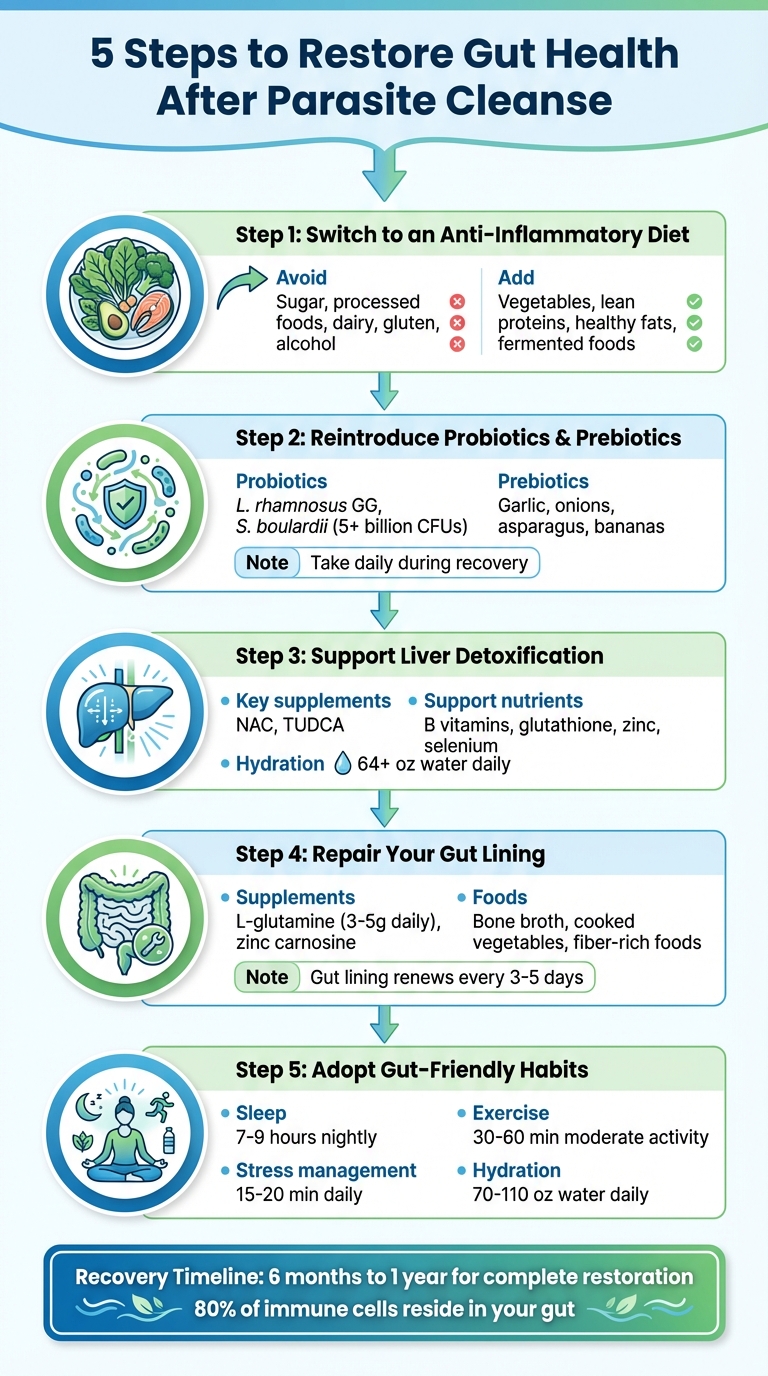
5 Steps to Restore Gut Health After Parasite Cleanse
Step 1: Switch to an Anti-Inflammatory Diet
What you eat plays a huge role in helping your gut recover after a parasite cleanse. The right foods can repair damaged gut lining, restore healthy bacteria, and calm inflammation. By focusing on an anti-inflammatory diet, you're setting the stage for your gut to heal and thrive.
"Starting with gut health foundations (diet and lifestyle) and not diving into specific parasite cleanses or botanicals right off the bat can treat underlying inflammation that may cause parasite-like symptoms." - Dr. Michael Ruscio, DC, DNM
An anti-inflammatory diet emphasizes whole, nutrient-dense foods that help your body heal naturally. This is especially important because parasites and candida thrive on sugar. By cutting out inflammatory foods, you're not only aiding recovery but also making your gut a less welcoming place for harmful organisms.
Foods to Avoid
The first step is to eliminate foods that fuel inflammation and disrupt your gut's recovery. Added sugars and sweeteners - found in soda, desserts, and even juices - should be completely avoided. These sugars feed harmful organisms and worsen inflammation.
Refined carbohydrates like white bread, pasta, and crackers quickly break down into sugar, creating the perfect environment for parasites. Processed foods loaded with artificial additives, preservatives, and hidden sugars can undo the benefits of a clean diet. Even seemingly innocent condiments like sauces and dressings may contain trans fats and excessive sodium.
Dairy products like milk, cheese, and cream can irritate your gut during recovery. Similarly, gluten and certain grains can trigger immune responses that interfere with healing. Processed meats such as deli slices and sausages often contain preservatives that harm beneficial gut bacteria. Lastly, alcohol and caffeine place extra strain on your liver, which is already working hard to detoxify your body.
| Category | Foods to Avoid | Why They're Harmful |
|---|---|---|
| Sweeteners | Table sugar, desserts, soda, juice | Feeds parasites and increases inflammation |
| Carbohydrates | White bread, pasta, pastries, crackers | Breaks down into sugar; disrupts gut bacteria |
| Proteins | Deli meats, sausages | Contains preservatives that harm beneficial bacteria |
| Dairy | Milk, cheese, heavy cream | Irritates the digestive tract; fuels inflammation |
| Fats | Trans fats, partially hydrogenated oils | Promotes inflammation |
| Beverages | Alcohol, soda, sweetened juices | Burdens the liver; interferes with detoxification |
Foods to Add to Your Diet
Once you've cleared out the harmful foods, it's time to nourish your gut with healing options. Colorful vegetables, especially leafy greens, carrots, and butternut squash, are packed with vitamins and fiber that feed good bacteria. Since about 80% of your immune cells reside in your gut, a nutrient-rich diet is key to overall health.
Lean proteins like wild-caught fish, pasture-raised chicken, and lentils provide essential amino acids for repairing your gut lining without the inflammation caused by processed meats. Healthy fats from sources like avocado, olive oil, coconut oil, and flaxseeds support the mucosal barrier and have antimicrobial properties. Coconut oil, in particular, contains lauric acid, which helps combat harmful bacteria and yeast.
Fermented foods are a powerhouse for rebuilding gut health. Adding a tablespoon of sauerkraut or kimchi to your meals can reintroduce beneficial bacteria and improve bacterial diversity. Herbs and spices like garlic, ginger, turmeric, and oregano not only reduce inflammation but also offer antimicrobial benefits. To maximize turmeric's effectiveness, pair it with black pepper.
"Choosing the right foods during a parasite cleanse isn't just about cutting things out. It's also about loading up on what helps your body stay strong and balanced while it detoxes." - Dr. Tenesha Wards
One standout food is pumpkin seeds, which contain cucurbitacin - a compound that paralyzes parasites, making it easier for your body to eliminate them. Instead of reaching for fries, try baked sweet potatoes. Swap out processed snacks for fresh veggies with hummus. And when cooking, opt for baking, steaming, or stir-frying to avoid the inflammatory effects of deep-frying.
Step 2: Add Probiotics and Prebiotics Back Into Your Diet
Once you've made the necessary dietary changes, the next step is to restore balance to your gut's bacterial ecosystem. After completing a parasite cleanse, the beneficial bacteria in your gut are often depleted. This is where probiotics and prebiotics come into play - probiotics help replenish these bacteria, while prebiotics serve as their food source.
With inflammation triggers removed from your diet, reintroducing beneficial bacteria can speed up your recovery. Your gut microbiome does more than just aid digestion - it plays a key role in boosting your immune system and keeping harmful organisms at bay. Probiotics work by occupying space in your intestines, consuming nutrients, and producing antimicrobial compounds that make your gut less inviting to parasites and harmful bacteria.
"A probiotic's benefits are strain-specific, not species-specific, and certainly not universal to all probiotics. One strain might support digestive regularity, while another is studied for immune modulation." - Dirk Gevers, Ph.D.
How to Choose the Right Probiotics
To complement your anti-inflammatory diet, focus on probiotics that are backed by clinical research and are strain-specific. One standout option is Lacticaseibacillus rhamnosus GG (commonly known as LGG), which has been shown to reduce leaky gut and strengthen the bonds between intestinal cells. Another effective choice is Saccharomyces boulardii, a beneficial yeast that helps clear lingering effects of parasites and has been proven effective against infections like Giardia and Blastocystis in clinical studies.
When shopping for probiotics, choose products that clearly list the strain name and offer at least five billion CFUs (colony-forming units) per serving. If you're taking anti-parasitic medications, space probiotics out by at least two hours to ensure their effectiveness. Since most probiotic strains are temporary visitors in your system rather than permanent residents, it's important to take them daily during your recovery process.
In addition to supplements, fermented foods are an excellent natural source of probiotics. Kefir is particularly beneficial, as it contains a wider variety of bacteria and yeast compared to yogurt. Other great options include sauerkraut and kimchi - just make sure they're unpasteurized to retain their live bacteria. Look for labels that say "live and active cultures", as pasteurization can destroy the beneficial microbes you're trying to reintroduce.
Prebiotic Foods to Support Your Gut
Prebiotics are essential for keeping your probiotics thriving. These fibers make their way through your small intestine and reach the large intestine, where they nourish beneficial bacteria like Bifidobacteria and Lactobacilli. Without a steady supply of prebiotics, even the best probiotics won't have lasting effects.
Some of the best prebiotic-rich foods include garlic, onions, asparagus, bananas, leeks, artichokes, oats, and chia seeds. Garlic and onions are loaded with fructo-oligosaccharides (FOS), which specifically feed beneficial gut bacteria. Asparagus is high in fiber, promoting gut motility and regular bowel movements. Meanwhile, bananas are gentle on sensitive digestive systems while still providing essential fuel for healthy bacteria.
"Diet can rapidly influence the richness of bacteria in the gut with consequences for health and is the most important influence on the microbiome." - Kate Lawrence and Jeannette Hyde, Researchers
For optimal results, aim for a variety of plant-based foods each week to provide a range of fibers that support different types of beneficial bacteria. Studies suggest that dietary changes can influence your gut microbiome in just a few days, so you may notice improvements quickly. Pairing prebiotic foods with probiotic-rich options in the same meal creates a powerful synergy that helps accelerate your gut's recovery.
If you have IBS, introduce prebiotic fibers gradually. Some individuals may experience temporary bloating or gas as their microbiome adjusts, but these symptoms typically subside within a few days as your gut adapts.
Step 3: Use Supplements to Support Liver Function and Detoxification
Once you've adjusted your diet and added probiotics, it's time to focus on giving your liver some extra help. Your liver plays a key role during parasite cleanse recovery, working hard to process and eliminate toxins. When parasites die, they release toxins into your bloodstream, which can trigger what's known as a Herxheimer reaction. This reaction may cause symptoms like fatigue, nausea, headaches, muscle aches, and even skin rashes as your liver works overtime to handle the toxic load.
"The liver has an amazing ability to regenerate and heal once active injury has been stopped." - Tinsay Woreta, MD MPH, Johns Hopkins hepatologist
TUDCA & NAC: Liver Support Essentials
NAC (N-acetyl cysteine) is a powerhouse for liver detoxification. It helps produce glutathione, a critical antioxidant that neutralizes toxins. NAC also supports your immune system by enhancing the activity of killer T cells, which are vital during recovery. Paired with NAC, TUDCA (tauroursodeoxycholic acid) promotes bile flow and reduces liver inflammation, making it an excellent companion in the detox process.
Mahoney Supplements offers a TUDCA & NAC formula ($92.00) designed specifically to ease die-off symptoms and support liver detox during recovery. Start with a low dose and gradually increase it. For best results, take these supplements at least one hour before or after meals to avoid interference with nutrient absorption.
These supplements not only help your liver handle the detox process but also prepare your body for the next stages of gut healing.
Additional Nutrients for Detoxification
Your liver relies on a range of nutrients to perform its detox duties efficiently. Here's how some key players contribute:
- B vitamins: These support the liver's detox pathways (phase 1 and phase 2) and help replenish nutrients lost during a parasitic infection while boosting energy levels.
- Glutathione: This antioxidant binds to toxins, making them easier for your body to eliminate.
- Vitamin A, zinc, and selenium: These nutrients strengthen your immune system, helping your body defend itself against parasites and other invaders.
Staying hydrated is equally important. Aim to drink at least 64 ounces (eight cups) of water daily to support your kidneys and liver in flushing out toxins. If you experience severe die-off symptoms, consider adjusting your supplement dosage and consult a healthcare professional for guidance.
sbb-itb-9616115
Step 4: Heal Your Gut Lining and Improve Digestion
Once you've supported your liver with the right supplements, the next step is all about repairing your gut barrier. Parasites can damage this barrier, leading to leaky gut - a condition where toxins and undigested food particles slip into your bloodstream. This can spark inflammation and trigger food sensitivities. The good news? Your intestinal lining renews itself every 3 to 5 days, so giving your body the right nutrients during this time is essential for proper healing. By combining targeted supplements with nutrient-rich foods, you can restore your gut's integrity and improve digestion.
Supplements to Restore Your Gut
If you're looking for a gut-repair powerhouse, L-glutamine is your go-to. This amino acid is the primary energy source for the cells lining your intestines, helping them regenerate efficiently. For best results, take 3–5 g of L-glutamine daily in powder form, as it's easily absorbed. If you’re dealing with ongoing irritation or symptoms resembling IBS, this supplement should be at the top of your list.
Another excellent option is zinc carnosine, which stays on the gut lining longer, aiding in repair. It’s particularly useful if your gut still feels delicate or healing seems slow after your cleanse. Other helpful additions include:
- Digestive enzymes: Take these at the start of meals to improve nutrient absorption.
- Colostrum: Packed with growth factors, it helps strengthen the gut barrier.
- Soothing herbs: Options like slippery elm and marshmallow root coat and calm the stomach lining, offering relief.
Foods That Aid Digestion and Healing
While supplements do the heavy lifting in rebuilding your gut lining, certain foods can further support digestion and recovery.
Bone broth is a standout for gut repair. Rich in collagen and amino acids, it’s a natural way to nourish and heal. Sip on homemade broth made from grass-fed beef or organic chicken daily. You can enjoy it as a warm drink or use it as a base for soups.
In the early stages of healing, stick to cooked and pureed foods like steamed vegetables, soups, and smoothies. These are much easier on your digestive system than raw salads, which can be harder to break down. Gradually reintroduce fiber-rich foods such as artichokes, carrots, broccoli, whole grains, and legumes to keep digestion regular and prevent constipation.
Stay hydrated by drinking 0.5 oz of water per pound of body weight daily. This helps fiber move waste through your digestive tract efficiently. You can also incorporate digestive boosters like:
- Ginger: Encourages enzyme production.
- Apple cider vinegar: Helps balance stomach acidity.
- Coconut oil: Contains lauric acid, which soothes the gut lining and promotes healthy bacteria.
Taking these steps now will help strengthen your gut and lay the foundation for long-term digestive health and resilience.
Step 5: Make Lifestyle Changes to Maintain Long-Term Gut Health
Diet and supplements are essential, but maintaining a healthy gut goes beyond what you eat. To truly support long-term gut health after a parasite cleanse, you’ll need to make some lifestyle changes. Think of this as an ongoing effort rather than a quick fix. Your daily habits - like how you manage stress, how much you move, and how well you sleep - play a big role in keeping your gut strong and balanced.
Daily Practices for Better Gut Health
Start your day with a calming routine: take 5–10 deep breaths and drink a glass of water or warm bone broth before reaching for coffee. This helps settle your nervous system and soothes your gut. If you’re taking probiotics, pair them with a regular morning habit, like brewing your coffee, so you don’t forget.
Stay hydrated by drinking 70–110 oz of water each day. Proper hydration helps your digestive system work smoothly. Sleep is just as important - aim for 7–9 hours of quality rest each night. Turning off screens an hour before bed can improve your sleep, which is crucial since about 80% of your immune cells are tied to your gut health.
When it’s time to eat, create a stress-free environment. Avoid heated conversations during meals and chew your food thoroughly to help your body’s natural digestive enzymes do their job.
Don’t underestimate the power of movement. A 15-minute walk after eating can ease bloating just as well as some medications. Try to get 30–60 minutes of moderate exercise most days, whether it’s walking, yoga, or swimming. For detox support, spend 10–20 minutes in a sauna or steam room a few times a week. Managing stress is also key - set aside 15–20 minutes a day for activities like meditation, journaling, or spending time outdoors. Chronic stress can weaken your immune system, making it easier for infections to return.
Stick to these habits and check in with yourself regularly to see how you’re progressing.
Monitoring Gut Health and Preventing Reinfection
Keeping an eye on your gut health is just as important as sticking to your daily routines. Regular monitoring helps you stay on track and prevents parasites from making a comeback.
Your gut microbiome is your first line of defense against future infections. Protect it by practicing good hygiene: wash your hands after using the bathroom, handling pets, or changing diapers. Use a water filter and thoroughly wash fruits and vegetables. When cooking, ensure meat is heated to safe temperatures - 145°F for whole cuts and 160°F for ground meat.
Another helpful practice is a 12-hour fasting window overnight. This gives your Migrating Motor Complex (MMC) - a natural cleaning process in your small intestine - time to work. Drinking ginger tea or adding apple cider vinegar to your routine can also support healthy stomach acid levels.
To stay in tune with your gut, keep a weekly food journal. Note what you eat, any symptoms you experience, and your bowel movements. Spend 10–15 minutes each week planning meals and workouts to avoid falling back into less healthy habits when life gets hectic. If you notice persistent issues like unexplained weight changes, skin problems, or bloating, consider getting a stool test every few months to ensure parasites haven’t returned.
Conclusion: What You Need to Remember About Gut Restoration
Restoring your gut after a parasite cleanse isn’t just a follow-up step - it’s a necessity. While the cleanse removes parasites, it also disrupts your gut microbiome, immune system, and digestive barriers. To truly recover and avoid reinfection, you need to take deliberate steps to rebuild these systems.
The five-step plan - covering diet, probiotics, liver support, gut lining repair, and lifestyle changes - offers a well-rounded approach to recovery. An anti-inflammatory diet calms inflammation, probiotics and prebiotics strengthen your microbiome, liver support aids in toxin removal, repairing the gut lining helps prevent leaky gut, and lifestyle adjustments ensure long-term stability. Skipping any of these steps could hinder your progress.
"If you go back to eating heavily processed or sugary foods right away, it could undo your progress fast. What comes after the cleanse is just as important as the cleanse itself." - Dr. Tenesha Wards, Founder of Austin Holistic Dr.
These steps work together to restore your digestive health and overall well-being. While you might notice changes in a few weeks, complete recovery can take six months to a year. With 100 trillion microorganisms to rebuild, patience and consistency are key. But the benefits - like better nutrient absorption, stronger immunity, improved mental clarity, and protection against future issues - make the effort worthwhile.
Tracking your progress is essential. Your gut produces over 90% of your body’s serotonin, so this process impacts not just digestion but also your mood, energy, and overall health. Stick to daily habits, use tools like food journaling and occasional stool tests, and trust your body’s ability to heal when given the right care.
FAQs
How long does it take to restore gut health after a parasite cleanse?
Restoring gut health after a parasite cleanse isn’t a one-size-fits-all process - it depends on several factors. The intensity of the cleanse, your overall health, and how diligently you stick to post-cleanse practices all influence the timeline.
For many people, recovery can take anywhere from a few weeks to a few months. During this time, prioritize a diet packed with nutrients, add high-quality probiotics to your routine, and adopt healthy habits like managing stress and staying active. Remember, rebuilding your gut takes time, so patience is key as your body gradually heals.
What are the best foods to eat to heal your gut after a parasite cleanse?
To help your gut recover after a parasite cleanse, focus on foods that are both nourishing and gentle on your digestive system. Bone broth and collagen-rich gelatin are fantastic options because they provide amino acids like glycine and proline, which are key to repairing the gut lining. Adding fatty fish like salmon to your diet can supply omega-3 fatty acids, which help reduce inflammation and support cellular repair. For restoring your gut microbiome, include fermented foods such as yogurt, kefir, sauerkraut, or kimchi, as they are packed with probiotics.
Don’t forget about prebiotic fibers, which feed the beneficial bacteria in your gut. You can find these in foods like garlic, onions, bananas, and asparagus. Leafy greens (like spinach and kale) and cruciferous vegetables (such as broccoli and cauliflower) are also great additions, offering antioxidants and vitamins that help protect and strengthen the gut lining. If your stomach is feeling particularly sensitive, opt for gentle, easily digestible veggies like steamed carrots and zucchini.
A healing meal might look something like this: a warm bowl of bone broth, wild-caught salmon, roasted broccoli with garlic, and a small serving of sauerkraut. For a snack, consider a banana or some raw carrots. These choices work together to nurture your gut, promote recovery, and support your overall well-being.
What are the signs that my liver needs extra support after a parasite cleanse?
After completing a parasite cleanse, your liver might need some extra care to handle the detox process. Signs that your liver could use additional support include fatigue, brain fog, bloating, dark urine, or pale, yellow-tinged skin. Other possible indicators are cravings for sugary or fatty foods, trouble digesting fats, or even greasy stools. If these symptoms stick around for more than a few days, it might mean your liver is still hard at work clearing out toxins.
To help your liver recover, focus on staying hydrated and incorporating antioxidant-packed foods into your meals. Think cruciferous vegetables like broccoli and cauliflower, berries, and leafy greens. You might also want to explore supplements that encourage bile flow and support detoxification. Options like TUDCA and NAC can assist in replenishing glutathione, a powerful antioxidant that plays a key role in liver health. Combine these efforts with a balanced diet, gentle daily exercise, and a solid 7-9 hours of quality sleep to give your liver the recharge it needs.