

Gut Microbiome Detox with Fermented Foods
Balancing your gut microbiome is key to better digestion, stronger immunity, and overall health. Two common approaches for detoxing your gut are fermented foods and supplements. Here's a quick breakdown:
- Fermented Foods: Natural options like yogurt, kimchi, kefir, and sauerkraut contain live probiotics. They help restore microbial balance, improve nutrient absorption, and reduce inflammation. However, their microbial content can vary, and not everyone tolerates them well.
- Supplements: Products like Mahoney World LLC’s ParaGon ($104.95) and TUDCA & NAC Blend ($92.00) offer precise dosing of probiotics, prebiotics, and other gut-supporting ingredients. They’re consistent and convenient but may lack the diversity of fermented foods.
Both methods have strengths and challenges. Fermented foods are a natural way to support gut health, while supplements provide targeted solutions for specific needs. Combining both can maximize results based on your goals and lifestyle.
The Best & Worst Fermented Foods for Your Gut Health | Sadhguru
1. Fermented Foods
Fermented foods play a key role in gut health by providing live probiotics and beneficial compounds. These foods are created through a natural fermentation process, where microorganisms break down sugars and starches, resulting in a nutrient-rich environment that supports digestion and detoxification.
How Fermented Foods Aid Detoxification
Fermented foods are teeming with beneficial bacteria. For instance, most contain at least 1 million microbial cells per gram, while dairy-based options like yogurt can deliver up to 1 billion colony-forming units (CFUs) per gram. These probiotics work to restore gut balance by outcompeting harmful pathogens and assisting the body’s natural detox processes.
Additionally, fermented foods improve nutrient absorption by breaking down complex nutrients into simpler forms that are easier for your body to process. They also help reduce gut inflammation, creating an environment where your digestive system can operate more efficiently to eliminate toxins.
Scientific Backing for Fermented Foods
A 2021 study conducted by Stanford researchers highlighted the detoxifying power of fermented foods. Over a 10-week period, healthy adults consumed a diet rich in fermented items like yogurt, kefir, kimchi, kombucha, and fermented cottage cheese. The results were impressive: participants showed an increase in overall microbial diversity and a reduction in 19 inflammatory proteins.
Dr. Justin Sonnenburg, an expert in microbiology and immunology at Stanford, noted:
"This is a stunning finding. It provides one of the first examples of how a simple change in diet can reproducibly remodel the microbiota across a cohort of healthy adults."
Christopher Gardner, the study’s lead nutrition researcher, added:
"Microbiota-targeted diets can change immune status, providing a promising avenue for decreasing inflammation in healthy adults. This finding was consistent across all participants in the study who were assigned to the higher fermented food group."
Incorporating Fermented Foods Into Your Routine
Consistency and variety are key to reaping the benefits of fermented foods. Incorporate options like kombucha, water kefir, sauerkraut, kimchi, and pickles into your meals to take advantage of their diverse probiotic profiles.
If you're already familiar with probiotic-rich foods and consume enough fiber, aim to include fermented foods three times daily. For beginners, start with smaller portions to allow your gut to adjust to the increased microbial activity. While fermented foods are a great natural option, supplements can offer a more targeted approach to detoxification.
Points to Keep in Mind
When choosing fermented foods, opt for raw and unpasteurized options whenever possible, as pasteurization can destroy live bacteria. Look for labels that say "live and active cultures" to ensure you're getting probiotics that are still viable. That said, even pasteurized options can provide some benefits. For example, both pasteurized and unpasteurized sauerkraut have been shown to alleviate symptoms in IBS patients.
Salt content is another factor to consider. Foods like sauerkraut, kimchi, and pickles typically have 1.5%–2% salt by weight, while miso can contain as much as 20% salt. If you’re managing conditions like hypertension, moderate your intake accordingly.
Lastly, be aware that some people may experience histamine intolerance with certain fermented foods. Those with compromised immune systems should consult a healthcare provider before adding fermented foods to their diet.
2. Supplement-Based Detox Methods (e.g., Mahoney World LLC products)
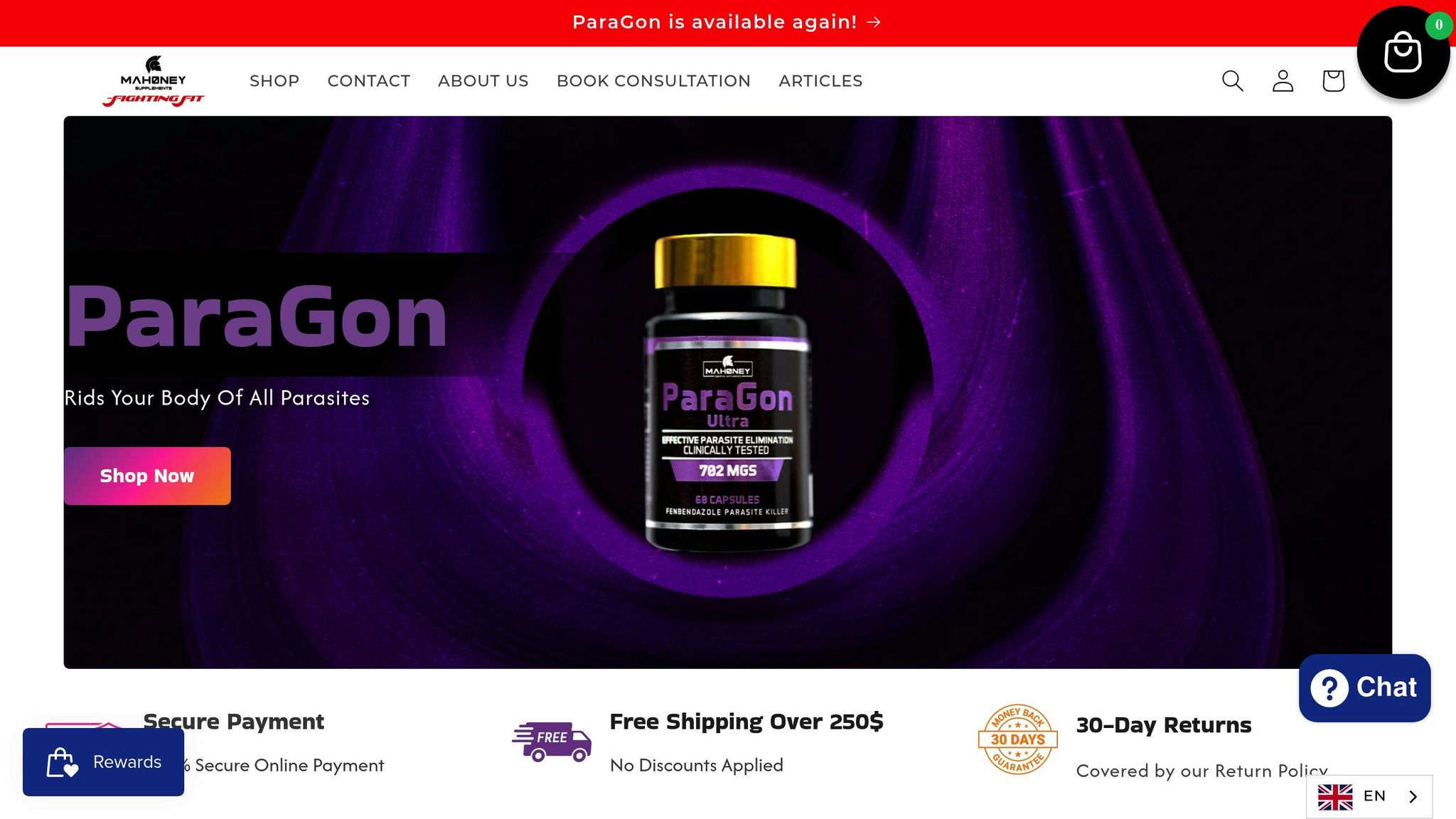
When it comes to gut health, supplement-based detox methods stand out for their precision and reliability. Unlike the natural fluctuations in the microbial content of fermented foods, supplements offer a more controlled and consistent approach. This makes them particularly appealing for those looking for targeted gut support. Let’s dive into the science, ingredients, and the role of Mahoney World LLC’s products in this space.
The Science Behind Supplement-Based Approaches
Probiotic supplements are designed to deliver live microorganisms that help balance gut bacteria, improve digestion, and strengthen immunity. The key advantage here is controlled dosing - each capsule contains a specific amount of beneficial bacteria, often ranging from 1 to 10 billion CFU. This level of precision is a stark contrast to fermented foods, where the microbial content can vary significantly.
Targeted Ingredients for Gut Detoxification
Many supplements are formulated with carefully chosen ingredients to support gut detox and overall health. These often include:
- Prebiotics: Fuel for beneficial bacteria.
- L-Glutamine: Supports gut lining repair.
- Digestive Enzymes: Aids in breaking down food.
- Vitamin C: Helps with detoxification and immune support.
Given that fewer than 5% of Americans meet their daily fiber intake recommendations, these targeted ingredients can play a crucial role in nourishing gut bacteria and supporting detox processes. Mahoney World LLC incorporates these principles into their product formulations for precise gut health solutions.
Mahoney World LLC's Approach to Gut Health
Mahoney World LLC has carved out a niche with products specifically designed for gut detoxification. For example:
- ParaGon ($104.95): Aims to cleanse parasites and support overall gut health.
- TUDCA & NAC Blend ($92.00): Focuses on liver detox, a critical component since the liver processes toxins that can affect gut health.
David G. Mahoney, the company’s CEO, underscores their dedication to natural ingredients:
"Your health and well-being are at the center of all our products. We only use natural ingredients, so you can get healthier without relying on Big Pharma drugs for the rest of your life. Take back control of your health with our natural supplements... And enjoy living your best life!"
The company also emphasizes rigorous testing to ensure safety and effectiveness. Other products like their B17 supplement ($102.95), which supports immune health and detoxification, and Vitamin B12 ($25.00), known to boost energy during detox, further highlight their commitment to comprehensive gut health solutions.
Accessibility and Convenience Factors
Supplements offer a level of accessibility and convenience that fermented foods often cannot. For people with conditions like histamine intolerance, IBS, or SIBO, fermented foods might not be suitable. Additionally, the Centers for Disease Control and Prevention advises individuals with weakened immune systems to avoid unpasteurized fermented products. In these cases, probiotic supplements provide a safer and more predictable alternative.
Precision vs. Variability
One of the standout benefits of supplements is their precision. Unlike fermented foods, which can have unpredictable microbial content, supplements are crafted under controlled conditions. As Seed Health explains:
"Fermented foods may not consistently provide scientifically validated live microorganisms. They may or may not boost gut health - it really depends on the type of food or beverage, how it was made, and the microbes that were added to it."
This consistency ensures that supplements deliver the intended strains and potency, making them a reliable choice for those seeking measurable results.
Mahoney World LLC has earned an average rating of 3.7/5 based on 93 reviews on Trustpilot. Many customers praise the products for improving their well-being and appreciate the meticulous formulations behind these supplements.
sbb-itb-9616115
Pros and Cons
When it comes to gut detox, both fermented foods and supplements offer distinct approaches. Each has its own strengths and challenges, so understanding these trade-offs is key to making an informed decision.
Fermented Foods: The Natural Approach
The Benefits
Fermented foods are known to boost microbiome diversity and help reduce inflammation. For example, a Stanford clinical trial involving 36 healthy adults found that fermented foods positively influenced gut health by lowering inflammatory markers. Additionally, fermentation breaks down complex carbohydrates and proteins, making foods easier to digest. Kefir, for instance, contains 60% more β-galactosidase than plain yogurt, which aids in lactose digestion.
The Drawbacks
One challenge with fermented foods is the variability in their microbial makeup. While many products contain at least 1,000,000 microbial cells per gram, the exact composition can differ significantly between batches. This inconsistency means they don’t always meet the strict criteria required for probiotics, as detailed studies on specific microbes and their concentrations are often lacking.
Although generally safe, some people may experience temporary side effects like gas or bloating. Those with histamine intolerance, weakened immune systems, or digestive disorders should be cautious. Additionally, improperly prepared or stored fermented foods can lead to foodborne illnesses.
Supplement-Based Methods: The Precision Route
The Advantages
Supplements offer a more controlled and consistent approach to gut detox. Products such as Mahoney World LLC's ParaGon ($104.95) and TUDCA & NAC blend ($92.00) provide precise doses of specific compounds designed for gut health. This eliminates the variability seen in fermented foods and offers convenience without the need for preparation or storage.
The Limitations
However, supplements come with their own set of challenges. The lack of strict regulatory standards and testing can pose risks. Side effects like dehydration, stomach discomfort, nutrient deficiencies, and electrolyte imbalances are also possible. In extreme cases, detox protocols involving laxatives may lead to diarrhea and malabsorption.
The Effectiveness Comparison
| Aspect | Fermented Foods | Supplement-Based Methods |
|---|---|---|
| Microbiome Diversity | Boosts diversity with dose-dependent effects | Limited evidence for enhancing diversity |
| Inflammation Reduction | Shown to reduce 19 inflammatory proteins in clinical studies | Results vary based on product quality |
| Safety Profile | Generally safe with mild side effects (e.g., gas, bloating) | Potential risks due to limited regulations |
| Consistency | Microbial content varies between batches | Provides precise and consistent dosing |
| Clinical Evidence | Limited studies on specific foods like kefir and sauerkraut | Evidence depends on product and manufacturer |
Long-Term Considerations
Over time, fermented foods have shown reliable benefits for gut health. Dr. Christopher Gardner from Stanford's Prevention Research Center highlighted:
"Microbiota-targeted diets can change immune status, providing a promising avenue for decreasing inflammation in healthy adults. This finding was consistent across all participants in the study who were assigned to the higher fermented food group."
Fermented foods have a long history of safe use, improving nutrient availability and digestion through bioactive compounds formed during fermentation. While supplements offer precision, their long-term impact on the microbiome is less well-documented, and their safety profile remains less established compared to traditional fermented foods.
Ultimately, the choice between fermented foods and supplements hinges on individual needs, health conditions, and whether you prefer a natural or targeted approach to gut detox. Each method has its place, and the decision depends on what aligns best with your goals and lifestyle.
Conclusion
Recent studies highlight how a diet rich in fermented foods can significantly boost microbial diversity and reduce inflammation. For instance, a Stanford study observed these benefits over a 10-week period, showing consistent improvements in gut microbiota among healthy adults. This research emphasizes the effectiveness of natural detox methods before turning to more targeted supplementation.
Fermented foods serve as a solid starting point for gut detox. Packed with live microbes and valuable nutrients, they support digestive health in a natural and holistic way.
For those seeking more precise solutions, supplements can be a helpful addition. Pairing fermented foods with targeted options allows you to maximize results. While fermented foods enhance overall gut health and nutrient variety, supplements like Mahoney World LLC's ParaGon ($104.95) and TUDCA & NAC ($92.00) provide accurate dosing to address specific detox needs. If fermented foods aren't enough on their own, these supplements can effectively bolster your gut detox efforts.
Start simple by adding unpasteurized, live-culture fermented foods to your daily diet. A good place to begin is with half a cup per day of options like kefir, sauerkraut, kimchi, or yogurt labeled with "live and active cultures". Always choose refrigerated, unpasteurized varieties, as pasteurization eliminates the beneficial bacteria.
Supplements can be especially useful if you're dealing with specific health challenges or find it hard to maintain a consistent intake of fermented foods. Their precision and convenience make them an excellent complement to the broad advantages of fermented foods, helping you build a well-rounded and sustainable approach to detoxing your gut microbiome.
FAQs
Are fermented foods or supplements better for gut detoxification?
Fermented foods are often seen as a better option than supplements for improving gut health. Why? Because they naturally come packed with live beneficial bacteria and prebiotics, both of which play a key role in nourishing and diversifying your gut microbiome. Incorporating foods like yogurt, kimchi, or sauerkraut into your diet on a regular basis can help maintain gut balance and support long-term digestive health.
Supplements, on the other hand, can provide specific probiotic strains but usually fall short when it comes to variety and the natural prebiotics that fermented foods offer. For a more well-rounded way to support your gut and aid detoxification, fermented foods are often the go-to choice. Just remember - consistency is crucial if you want to enjoy lasting benefits.
What side effects can fermented foods cause, and how can you reduce them?
Fermented foods can occasionally lead to gas, bloating, or mild digestive discomfort, particularly if you're new to eating them. In rare instances, some people may experience allergic reactions, such as headaches, hives, or nasal congestion. These symptoms are usually short-lived and manageable.
To ease into fermented foods, start with small amounts and increase gradually. Drinking plenty of water can also help. If you're concerned about allergens or sodium, choose options with lower levels of these ingredients. However, if you experience severe symptoms like fever, diarrhea, or muscle aches, it's important to reach out to a healthcare provider, as these could signal a more serious issue.
Are there health conditions where supplements might be more effective than fermented foods for gut health?
Certain health conditions might benefit more from supplements than relying solely on fermented foods. For instance, people dealing with digestive disorders like irritable bowel syndrome (IBS), antibiotic-associated diarrhea, or severe gut imbalances often need the targeted support that supplements can provide. Products like probiotics or digestive enzymes are specifically formulated to deliver precise strains or higher concentrations of beneficial bacteria, making them more effective for addressing these challenges.
Other conditions, such as diabetes, obesity, allergies, or even mental health issues like depression - which have growing links to gut health - may also respond better to supplements tailored to support the microbiome. While fermented foods are a fantastic natural option, supplements offer a more precise and measurable way to address specific health concerns.